Starting point01
The pieces are there.
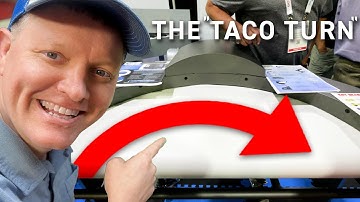
A thumbnail, title, channel name, and multiplier.
Four years of compounding practice
I have worked deeply with generative AI since 2022—not as a layer added at the end, but as a new material for products, teams, and operating systems.
My work spans productized personalized feedback, adaptive roleplay, AI-readable design systems, agent teams, production delivery, and evaluation tools.
4years building with generative AI
End to endproduct strategy, design, and working software
Personal + teamindependent experiments and production tools for teams
00 The thesis
The model is only one part of the work. Dependable AI needs structured context, bounded jobs, observable behavior, explicit quality standards, and feedback that improves the next run.
01Product systemsExperiences people use
02Operating modelsSystems teams can scale
03R&D infrastructureTools for what comes next
A credible starting point. Then room to go further.
A thumbnail, title, channel name, and multiplier.
 39:27
 SmarterEveryDay
Shared components give identity and performance a consistent voice.
The same avatar and multiplier components carry across cards and details.
Select a detail to trace it in the cards.Shared components and product context give the team a credible starting point.
AI-assisted implementation lets me refine hierarchy, behavior, and the details directly in working software.
These interactive examples adapt the original product components for this portfolio. The imagery is real; the matched metrics and request timing are illustrative. Highlight outlines are added for inspection.
The card and playback refinements came from the August 2026 Outliers work. The Silk Sweep loading state and filter-change feedback followed in September. Playback startup here is a simulation, not a live video or a readiness event.
The motion preview exposes a shared app flag. The product honors the device’s reduced-motion preference; a persistent user-facing product switch is not established by the inspected source. The remaining pulse is intentional in this historical version.
I refined the design in code; engineering retained approval and release ownership. Read the production-system case ↗
Foundation test5 distinct product experimentsCompared component foundations against real product problems before choosing.
System depthBeyond default componentsRebuilt the visual language through branded tokens, typography, states, and interaction patterns.
Organizational resultTest space → production platformThe rapid experiment environment became the main place customer-facing product work shipped.
02 The full practice
Prompty and evals are part of the picture. The broader work connects products, agent orchestration, model infrastructure, learning systems, and organizational change.
I design the work before, during, and after the model, then give people and agents a shared design language that keeps the result coherent.
Dais + Cairn Adaptive feedback and structural intelligence
BENlabs system Branded components, standards, and API context
Ralph-style loops, specialist roles, planning records, quality gates, and explicit human decisions turn working proof into a repeatable operating model.
Planning Harness + Prompty Shared plans, deployable loops, and guardrails
Builder portal AI-native experiments became production
I build tools that record what passed, what failed, and what changed between versions. Prompty Proof applies the same usability questions to both designs.
Prompty Proof Comparable runs and regression evidence
Witness · in development Annotation and training tooling; the first fine-tune on real annotations is planned.
03 / Across modalities
I build product experiences with text, image, voice, video, and 3D models.
Void Republic ComfyUI + image-to-3D workflows
I built a ComfyUI workflow that generates five image candidates, grades each, and carries the strongest through 3D generation, mesh cleanup, texturing, and export.
Void RepublicOxbow freighter
Meshy · actual project asset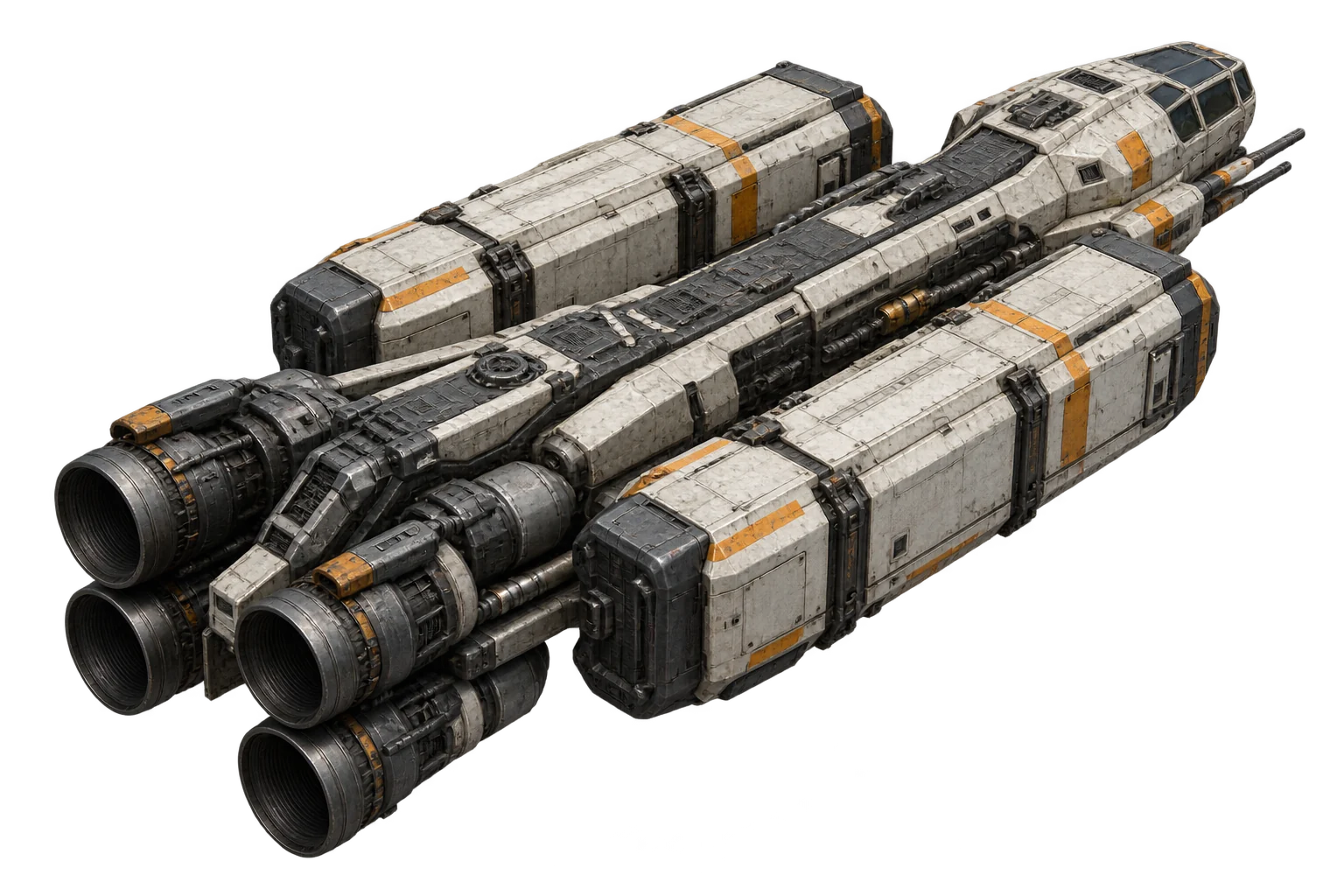
A reference image defines the form, proportions, and material language.
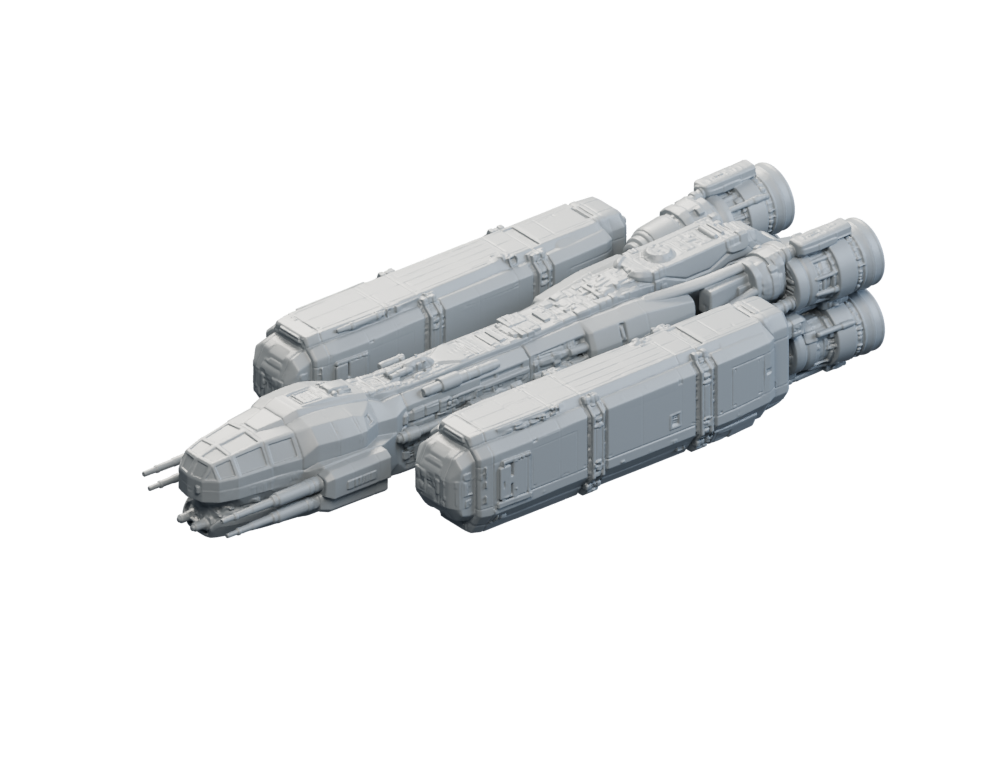
Inspect the form and the underlying mesh.
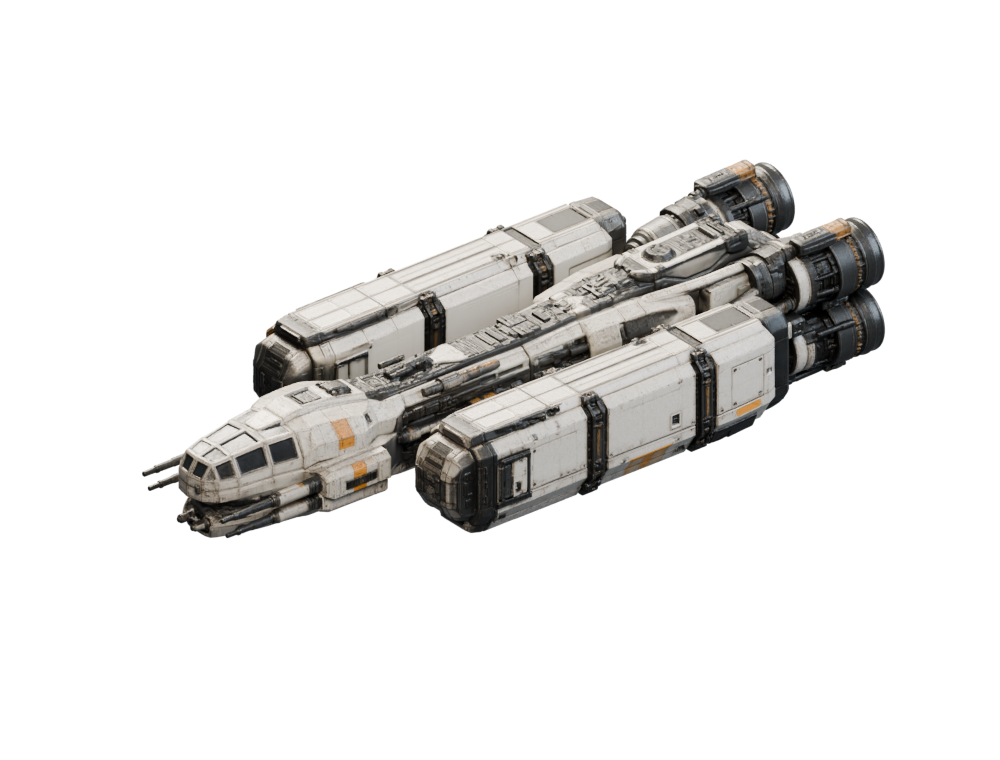
Reveal the color, panel detail, and wear on the same geometry.
04 / Prepared for the game3.05M 210kTriangles after mesh reduction
PreservedUVs + materialsThe visual detail carries through.
DeliveredUSDZIntegrated into Void Republic.
Agentic product experiences
Give it a brief. Watch it compose,
check, and improve a usable result.

Prepare a launch composition.
Image + headline · finished editorial layoutThe first layout misses the brief. The workflow adjusts the composition, checks it again, and leaves approval to you.
04 The connective tissue
Give the work shape, context, and a bounded objective.
Choose the model, tools, roles, permissions, and handoffs.
Preserve outputs, behavior, provenance, and runtime evidence.
Compare the result against explicit checks and human judgment.
Improve the product, instructions, and next attempt.
Personalized feedback conversation → transcript + signals → tailored debrief → next attempt
Design review original + revised UI → same usability checks → comparison → next revision
Agent teams scoped goal → specialist work → quality gates → human decision → reusable context
05 A history of building
I began experimenting in 2022 and kept building personal projects through 2023.
I coded small experiments to find out whether the available data was enough to produce useful insights for creators.
Before Claude Code, I built an orchestrator that passed each agent’s replies to the other as user messages so they could continue a conversation.
I independently built a working mobile app with AI-assisted development. It helped the team reconsider what it could build with AI.
The four-week proofI led design and frontend work for a shared environment that became the team’s main place to build customer-facing features.
The shared product platformThrough Labsly, I’m building feedback products, agent workflows, and tools for evaluating AI output.
06 How I work
I give agents a specific job and the context to do it. In Prompty, I keep reusable prompts and reference material together so I can bring that context into the next task.
In Prompty Proof, I compared a redesign with the original using the same five usability questions. I checked which problems were fixed and whether anything regressed.
In late 2024, I built a prototype that passed one agent’s responses to another as user messages. I used it to explore how agents could work together.
I design in working software and refine the interactions, accessibility, and edge cases. Automated checks help, but I still decide whether the product is ready.